

The people I work with are usually fifteen to twenty-five years into a serious career. They’re capable. They’ve done well. And they’re done having their lives decided by somebody else. Most of them didn’t call me because something went wrong.
Why does a career that looks good on paper stop feeling right?
Often it’s because the decisions stopped being yours. You took the jobs somebody else thought were right for you, and you did well at them. Then, fifteen or twenty years in, you look up and ask where you’ve been and where you’re going. Nothing has to be wrong for something to be missing.
I know where you’ve been. I spent twenty-one years in the corporate world. Jenn-Air at Maytag. Toro’s international consumer business. Electrolux. I lived in Colorado and worked out of an office in Connecticut, in and out of airports Sunday and Friday. The rest of my story is on the About page.
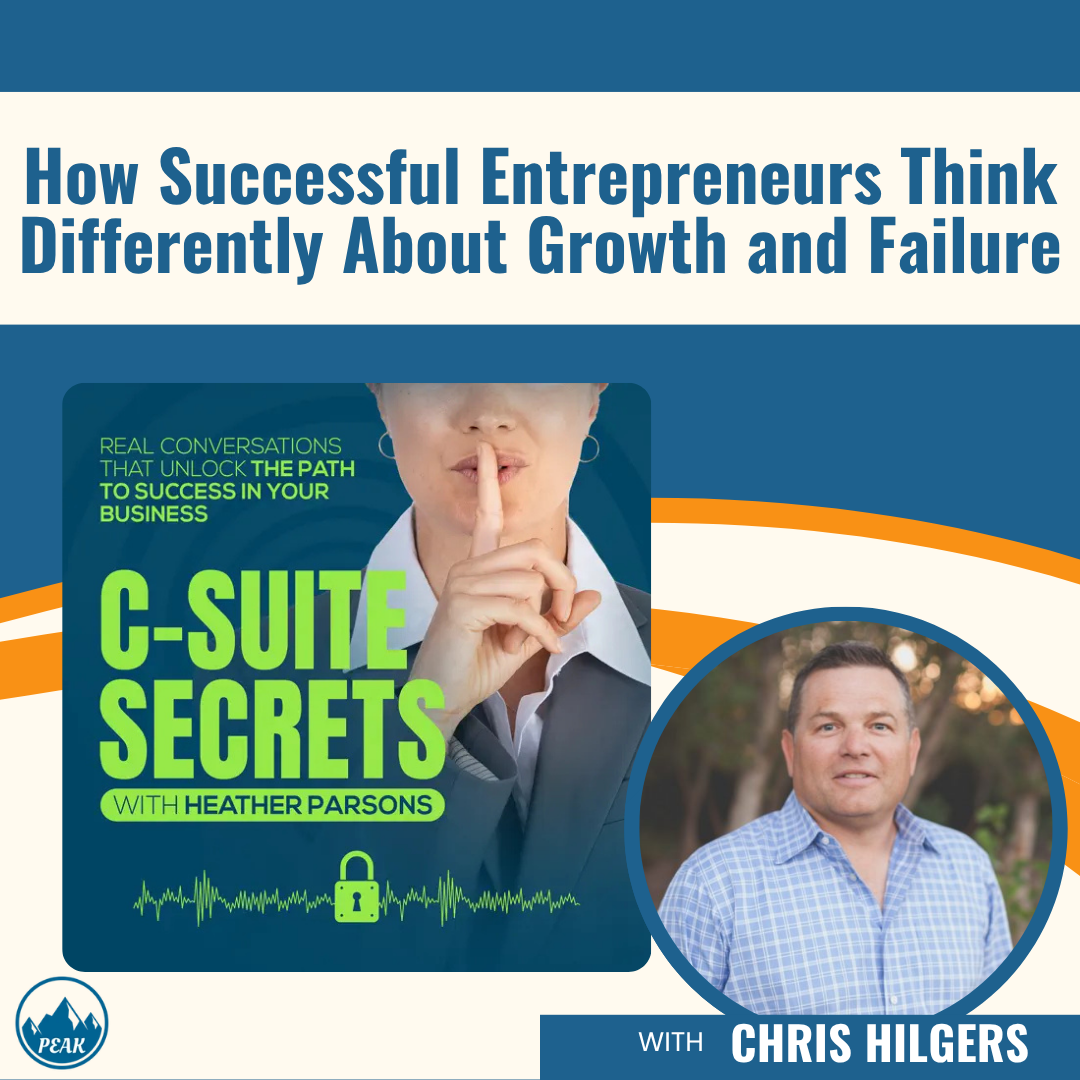
On paper, it was great. I kept coming back to one question, and I described it on the C-Suite Secrets podcast:
“And I kept looking at it and saying, gosh, is this really taking me where I want to go?”
I see the same thing in the people I talk with now. Strong resumes, good track records, everything heading the right way on paper. And we’re still talking, because something’s missing.
Not ready to talk yet?
Take the QuizHow do you know it’s more than a bad year at work?
A bad year passes. A pattern doesn’t. Pay attention if you keep taking the next step because somebody else thinks you should, if every move looks like the last one, and if more of the same won’t give you back your time or your say. That’s more than a bad year.
That was me. For a long time, I took jobs and positions somebody else thought I should take. You feel like you’re on a fast track, and if you’re not making the next step on time, you feel like you’re behind. Eventually it felt like rinse and repeat: different roles, the same pattern.
Every career has hard days, and owning a business has plenty of them too. The question isn’t whether every day will be good. It’s whether your life will be better.
Staying where you are can feel like the safe choice. But somebody else can still decide you’re moving, or that your job is gone. And underneath all of it is the thing nobody says out loud at two in the morning: what if I pick wrong?
Fear and uncertainty are the real obstacles. Not capital, and not effort. You’ve never been short on effort.
Where do you start with a midlife career change?
Before you look at jobs or businesses, look at your story. What’s your story been, what is it now, and what do you want it to be? Be honest with yourself about what you’re really after. The answer tells you what to look for, and what to rule out.
It’s the first thing I ask everybody I work with:
“What’s our story been. What’s it now? What do we want it to be?”
That takes more honesty than it sounds. A lot of us have spent years answering questions the way we were trained to answer them. The polished answer won’t help you here.
Look at all of it, not just work: your career, your family time, your community, the hobbies you keep putting off, and who you want to spend your days with. Then ask what you want more of, and what you want less of.
Looking back, the thing I wish I’d done more of early on was dream. I said this on C-Suite Secrets:
“I can be particular about what it is that I want in my life. I don’t have to settle.”
That’s where working with me starts, too. We start with your life, not a business. You get a plan built around you. You have someone in your corner while you decide. The FAQ explains how the first conversation works.
Is owning a business the answer to a midlife career change?
Sometimes, but not always. For some people the answer is a business. For others it’s a different role, a different company, or the same job with a clearer picture of what they want. A business makes sense when it fits the life you want and you really want it. It isn’t for everyone.
You’re not crazy to want something more. When I left, a boss I respected thought I was. I talked about that on the Sound BITES podcast. It’s your life, and you only get one.
There’s risk in doing something. There’s just as much, or more, in doing nothing.
If a business is part of your answer, a franchise is one way in. You’re still the owner, but you start at second base instead of in the dugout, with a system that’s already in place.
For the last fifteen years, I’ve been helping people figure out whether owning a business is right for them, and which one fits. I want you to go in with your eyes wide open, and that means talking with owners already running the business before you decide.
You can change your mind. We can add companies, take them off, or pivot. It’s your life.