
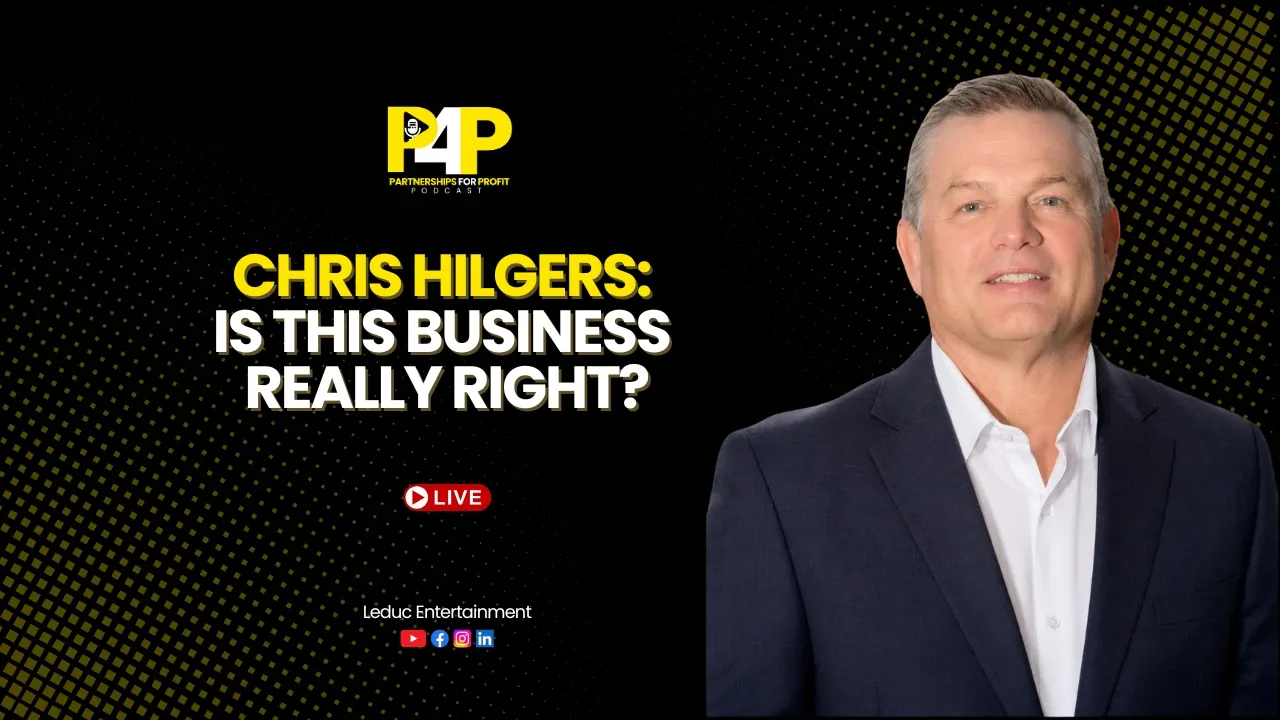
On Partnerships For Profit, I talked with Adrian Ferrara about how to find the right business, and why that starts with you, not the business. We covered what a good fit looks like, whether a franchise is just a job, semi-absentee ownership, what to read first in the Franchise Disclosure Document, when financing comes up, and which industries people are looking at.
In this episode
- Introductions
- How I got into franchising
- Why you start with yourself, not the business
- What a good fit looks like
- Is a franchise just buying a job?
- Brick and mortar or a service business
- Semi-absentee ownership
- When financing comes into the conversation
- What to read first in the disclosure document
- The franchise agreement, and comparing very different businesses
- Industries, and why I don’t steer people away from one
- Where to find me
Why should you start with yourself instead of the business?
Because the business is a widget. It’s important, but what matters more is you: what you want your life to look like, what you want more of and what you want less of, and what fulfills you. People focus on the business, get into it, and find out it isn’t what they expected. That homework comes first.
I’ll talk with people whose background looks perfect, and I’ll wonder what’s missing. When we dig a little deeper, the answer is usually that they’ve been very successful, but they’re not quite where they want to be.
We all want to keep growing. When we stop growing, we go the other way, and none of us want to go the other way. It’s also where every conversation with me starts.
“Well, because really the business is a widget. The business is, don’t get me wrong, very important, but what’s more important is the individual, it’s you and me, what do we want life to look like, what are the things we want more of in our life and things we want less of.”
Not ready to talk yet?
Take the QuizWhat does a good fit between you and a franchise look like?
Buying a franchise means buying into a process, and some processes are more specific than others. Some companies want an operator who follows the process closely. Others are more consultative and give you room to move. Neither is better. The right one is the one that fits how you work and where you’re most fulfilled.
Look at the company’s own background too. Some talk about having an entrepreneurial culture, which is great if you want to take things a little further. But you need to understand your own parameters first.
While I’m asking you to evaluate yourself, I’m evaluating you as well, so together we can build a personal model of what fits.
“In all cases, if you’re buying into a franchise business, you’re buying into a process, but some processes are more specific than others.”
Is buying a franchise just buying yourself a job?
It can be, if you let it. But most franchise companies aren’t looking for the person in the truck. They’re looking for business people who can run a business and build a fleet of trucks, something repeatable. If you leave one job and buy another one, don’t expect to end up anywhere different.
Being sick of working for somebody else isn’t a reason to own a business. There has to be something you’re running toward. I talked about that on Sound BITES too.
“If somebody had a job and then they buy this and it’s another job, well do you really expect to be anywhere different than where you were before?”
Can you own a franchise as a semi-absentee owner?
Yes, with a general manager running the day to day, and many people I work with do. But you still need your arms around the business and an understanding of the key performance indicators it runs on. If you think you won’t be involved at all, it’s probably not the right fit for you.
Be careful when you hear “semi-absentee” or “semi-passive.” Whether you’re the owner-operator or you own it with a manager in place, there will be challenges along the way, and you need to understand what it takes to be successful. Either way can work.
I never want anyone to think they can make an investment and simply wait, without putting something in or understanding what’s happening.
“In fact, I’ll tell people, if you think you’re not going to be involved at all, it’s probably not the right fit for you.”
What should you read first in a Franchise Disclosure Document?
Don’t try to read it all in one sitting. Start with how the company was founded, who the founder is, and whether it has failures, litigation or transfers of ownership. A few of those can have good explanations. Too many is a red flag, and if something’s there, I want the company to explain it.
Think of it as the company’s prospectus. Item 7 tells you what it takes to invest in the business. Item 19, where a company includes it, covers financial performance, and most of the companies I work with include it. That’s where the real numbers come from, along with owners already running the business, which is why I won’t put numbers on a website.
The franchise agreement is in there too, so you see it up front. It can read as strong, even one-sided, but you want a company that can protect the brand. If a neighboring franchisee isn’t living up to it, you want the company able to tell them to get in line.
Because every company follows the same format, you can set very different businesses side by side, a mental health business and a painting business, say, and benchmark how each one fits you.
“But if they have too many transfers of ownership, that’s a red flag, something where you’re like, oh gosh, what’s happening there.”
Key takeaways
- The business is a widget; what matters more is what you want your life to look like.
- If you buy a business and it’s just another job, don’t expect to end up anywhere different than where you were before.
- If you think you won’t be involved in the business at all, it’s probably not the right fit for you.
- Buying a franchise means buying into a process, and some processes are more specific than others, so know which kind fits you.
- Start with specific parts of the Franchise Disclosure Document: how the company was founded, who the founder is, and whether it has failures, litigation or transfers of ownership.
- I don’t steer people away from an industry; if I steer anyone, it has to do with the candidate.
Questions people ask after this one
You never pay me. The franchise brands do, and only if you end up buying one.
Then you decide not to do it. That is a legitimate outcome and it happens regularly.
Two to four, chosen because they fit what you told me. Enough to compare, few enough to go deep.
This conversation first aired on Partnerships For Profit. Listen on Partnerships For Profit